📖Introduction

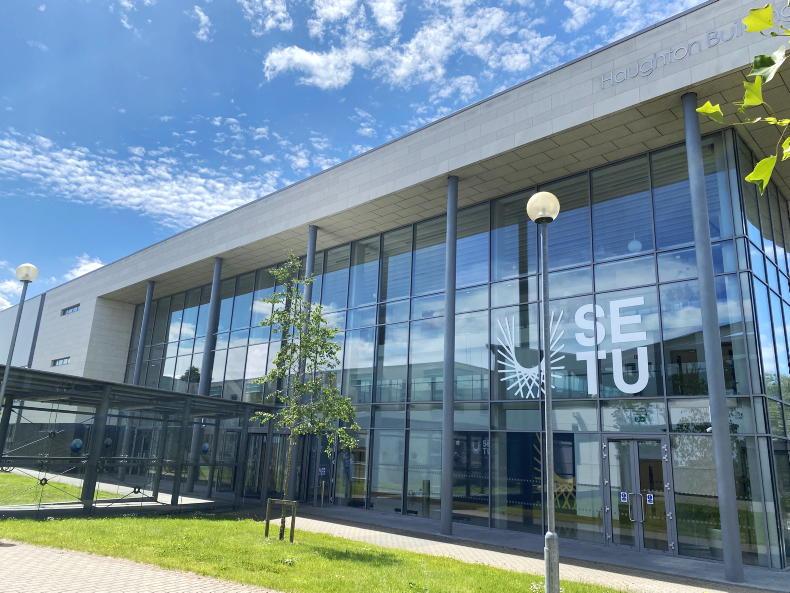
South East Technological University (SETU) is a new technological university located in the southeast region of Ireland. It was established in 2021 following the merger of three existing Institutes of Technology: Waterford Institute of Technology, Institute of Technology Carlow, and Institute of Technology Kilkenny.

SETU offers a wide range of undergraduate and postgraduate programs in various fields, including business, engineering, science, computing, and humanities. The university is known for its strong focus on practical, hands-on learning, with a particular emphasis on industry partnerships and work-based learning opportunities.

SETU is committed to research and innovation, with a range of research centers and institutes focusing on areas such as renewable energy, digital technologies, and health sciences. The university has a strong track record of working with industry partners on research projects, and many of its research activities have direct applications in industry and society.

SETU is also committed to internationalization, with a diverse student body and partnerships with universities and research institutions worldwide. The university offers various international programs, including study abroad programs and international research collaborations, for students who wish to gain a global perspective on their studies.

Overall, South East Technological University is a highly regarded institution in Ireland, known for its practical approach to learning, research strength, and commitment to internationalization.

Show less
Show more

📚About the Program

This programme develops the postgraduate’s knowledge and skills through modules which link theories and practices associated with Building Regulatory Compliance (BRC). The professional will be equipped with the knowledge, skills, and competence to holistically evaluate regulatory compliance techniques in terms of traditional command and control regulation. They will gain the discretion to use other strategies for regulating a problem and the skill to select a regulatory strategy to provide a regulatory outcome in different contexts. Show less
Show more

📖Program Curriculum

Semester 1

Building Regulatory Enforcement

Students will study and research enforcement activities aimed at promoting compliance and reaching regulations outcomes using the tools of inspections by authorised officials and agencies, and enforcement actions. The module explores regulatory design, risk and regulation, enforcement, self-regulation and enforcement and inspections toolkit.

Building Control Legislation, Regulation Policy, and Practice

This module provides students with a working knowledge of Building Control Legislative Framework in Ireland.; the hierarchy and jurisdiction of the Irish court system in the context of the Building Control Acts 1990-2014. Students will assess different and use of specific areas of law relating to building and construction to promote compliance to ensure health, safety, and welfare of people in or about buildings, conservation of fuel and energy and access for all.

Economics & the Construction Sector

This module supports participants to develop their economics knowledge to ensure that they can successfully operate in a management capacity in the engineering and construction sector.

Construction Project Management

This module aims to provide students with an in-depth understanding of construction project management techniques used both in Ireland and on international projects. This module provides an understanding of current and evolving project management philosophy. It also explores the various conflicting objectives which occur within a construction management project.

Energy Modelling for nZEB Design

The aim of this module is to provide the knowledge and skill to use dynamic thermal simulation software in the analysis energy consumption of buildings by modification of the building envelope.

Professional Development and Effectiveness

The aim of this module is to prepare the student for successful professional practice and management roles including critical appraisal of their own performance

Semester 2

Building Regulatory Compliance

This is a module outlines the various issues and options concerning promoting regulatory compliance practice and prepares the participants to undertake the business of compliance management. The module explores regulatory compliance challenges, policy failure and best practices; participants will develop the skills to create and implement effective compliance and audit policies and procedures.

Building Control Management System

The module elevates participants' understanding of current Building Control Management System (BCMS) and future BCMS developments that are having a significant impact on Building Control and building activity in Ireland. Participants will gain specialised knowledge and skill in the demonstration of building control administrative compliance process and technology.

ICT for Construction

The aim of this module to elevate the participants' understanding of current and future ICT developments that are having a significant impact on the engineering and construction sector, with specific emphasis on the issues (technology, people & processes) associated with the implementation of BIM.

Energy Modelling for HVAC Systems & Controls

The aim of this module is to provide the student with the knowledge and skill to use dynamic thermal simulation software for the generation of building energy ratings of commercial buildings and analysis of building energy consumption by modification of the building envelope, plant, systems, and controls.

Lean Enterprise Thinking & Practice

This module develops students' understanding and application of core Lean management, thinking and practices, as well as Lean in construction. The module explores the requisite elements for an organisation to enable and sustain process, operational and enterprise excellence. Students will examine Lean holistically and systemically across the broader organisational setting and business sectors.

Building Energy Performance & Analysis

The aim of this module is to provide specialised knowledge of the investigation and diagnosis of defects in buildings and their remedies particularly defects in relation to energy consumption.

Show less
Show more

🏫About South East Technological University

South East Technological University: South East Technological University, also known as Technological University Dublin, is a university located in Dublin, Ireland. It was formed in 2019 as a result of a merger of three Institutes of Technology: Dublin Institute of Technology, Institute of Technology Blanchardstown, and Institute of Technology Tallaght. The university offers undergraduate and graduate programs in a wide range of fields, including engineering, science, business, and humanities.

🏠 Accommodation

You will need to book the accommodation after you have been accepted.

You can choose to live on campus or off campus in private accommodation.

How to book:

  • Make a booking online after you have been accepted (in this case please let us know your choice when you apply).
  • Register when you arrive - its not possible to reserve a room before arriving. You can arrive a few days before and book it
Show less
Show more

💰 Fees

Application Fee:

346 RMB

Tuition fee:

10,250 EUR per year

10,250 EUR in total

Entry Requirements

You are not eligible to apply to this program because:

The minimum age is 18.

English fluency is required.
You need to be either:
- A native English speaker
- Studied a degree in English before
- Can demonstrate a high level of English
- Having an English certificate such as IELTS level 6 or TOEFL 95 and above is an advantage.

Minimum education level: High School.

The program is competitive, you need to have a high grades of Average A, 70%, or a high GPA.

All students from all countries are eligible to apply to this program.

Is this not correct? You can edit your profile or contact us.
Or see the list of programs you are eligible for here .
Check Your Eligibility Show Suitable Programs

📬 Admissions Process

3 Steps to Apply to a University

Application step 1

Application step 2

Application step 3

Please choose the programs here , "You are advised to select 2-3 programs to increase your chances of getting accepted.

Required Documents:

  • Passport
  • Graduation certificate
  • Passport size photo

Preparing documents:

You can start your application now and send the application documents during your application. Some documents you can send later if you don’t have them right away. Some more info about preparing application documents is here

Show more

Application process:

Applying Online is simple in just a few steps. More information is available here.

The first steps are to choose the programs, pay the application fee and upload the application documents.

Once submitted to Global Admissions, we will review your application within 2-3 days and proceed to the university or ask you for further clarification

After it has been processed to the university you will receive your unique application ID from each university.

The university may contact you directly for further questions.

We will then follow up each week with the university for updates. As soon as there is any update we will let you know. If you have made other plans, decide to withdraw / change address at any time please let us know.

After you have been accepted you will receive your admissions letter electronically and asked to pay the non-refundable deposit to the university.

Once you have paid the deposit the university will issue you the admissions letter and visa form to your home country.

Show less
Here is some more information about the enrollment process after you have been accepted.

❓ Have a Question?

There are no similar questions. Please send us your question below

    📝 South East Technological University Reviews

    (No Reviews)
    Write a review

    📍 Location

    🛏️ Accommodation

    🍜 Food

    🏓 Facilities

    💲 Value for money

    👨‍🏫 Classes

    🕺 Student experience

    🗣️ Recommend a friend?