📖Introduction

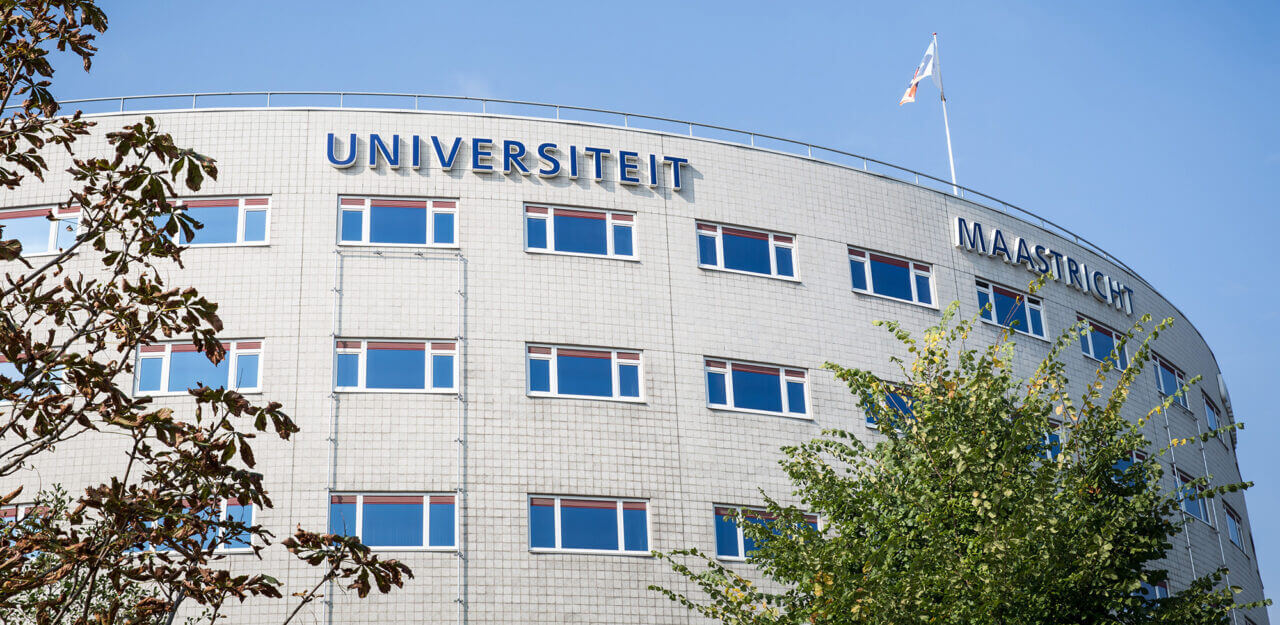
Maastricht University (UM) is a prestigious research university in Maastricht, Netherlands. It is known for its Problem-Based Learning (PBL) approach, where students actively participate in small groups to solve real-world problems. The university offers a wide range of academic programs across various disciplines and has a strong international presence, attracting students from around the world. UM emphasizes research in fields like sustainability, health, and governance. With its vibrant campus and cultural setting, Maastricht University provides an innovative education and a global perspective.

Show less
Show more

📚About the Program

Neuroscience has provided invaluable insights into the organisation of the central nervous system. Building on decades of fundamental and clinical research, neuromodulation has recently emerged as a very promising field that has the potential to change the neuroscience landscape. Equipped with detailed knowledge of neuroanatomy and neurophysiology, a wide spectrum of invasive and non-invasive techniques has been developed that allows manipulation of the central nervous system from the micro to the macro level. This offers unprecedented opportunities for scientific research and opens the door for novel clinical applications in various diseases/disorders of the central nervous system. To illustrate, deep brain stimulation can target specific nuclei in the brain stem to instantly reduce tremor in Parkinson’s disease. Transcranial magnetic stimulation has proven efficacy in drug-resistant depression with virtually no side effects. Spinal cord stimulation can alleviate chronic pain symptoms. These and many more examples will be illuminated in this specialisation in neuromodulation. Maastricht University has a strong tradition in neuromodulation research and application, across a wide spectrum of neuromodulation techniques. Embedded in this unique neuromodulation network, we offer this one of a kind specialisation as part of the master's in Biomedical Sciences. This specialisation is interdisciplinary in content and inter-departmental in structure, designed to offer cutting-edge theoretical and methodological training. Students will be able to choose between internships in research laboratories, and/or clinical placements, and/or industrial settings. Students will be prepared to unravel the mechanisms of the human brain and to unleash the full therapeutic potential of neuromodulation in various clinical fields. Show less
Show more

📖Program Curriculum

Programme
This specialisation offers a comprehensive overview of the fundamental principles and applications of current neuromodulation techniques.

Course 1: Invasive neuromodulation
The first course starts by providing essential knowledge about neuroanatomy and neurophysiology required to understand the basic principles of current neuromodulation techniques. Building on this foundation, various state-of-the-art invasive neuromodulation approaches will be explored in detail, with a particular focus on deep brain stimulation, spinal and sacral neuromodulation. In addition, the course showcases how insights into the pathophysiology of the central nervous system can be translated into clinical applications of neuromodulation in psychiatry and neurology. Prominent examples include the application of deep brain stimulation in Parkinson’s disease, and OCD. These and many other examples will be discussed, revealing the potential of invasive neuromodulation in clinical practice. At the end of this course, students will have a proper understanding of current invasive neuromodulation techniques and they will be aware of recent trends and developments for both fundamental and clinical applications.

Course 2: Non-invasive neuromodulation (1602)
This course will explore various state-of-the-art non-invasive neuromodulation approaches in detail, with a particular focus on transcranial magnetic and electrical stimulation (TMS/TES). In addition, the course showcases how insights into the pathophysiology of the central nervous system can be translated into clinical applications of non-invasive neuromodulation in psychiatry, neurology, and neuro-rehabilitation. Prominent examples include the application of TMS in depression and stroke. These and many other examples will be discussed, revealing the potential of invasive neuromodulation in clinical practice. At the end of this course, students will have a proper understanding of current non-invasive neuromodulation techniques and they will be aware of recent trends and developments for both fundamental and clinical applications.

Show less
Show more

🏫About Maastricht University

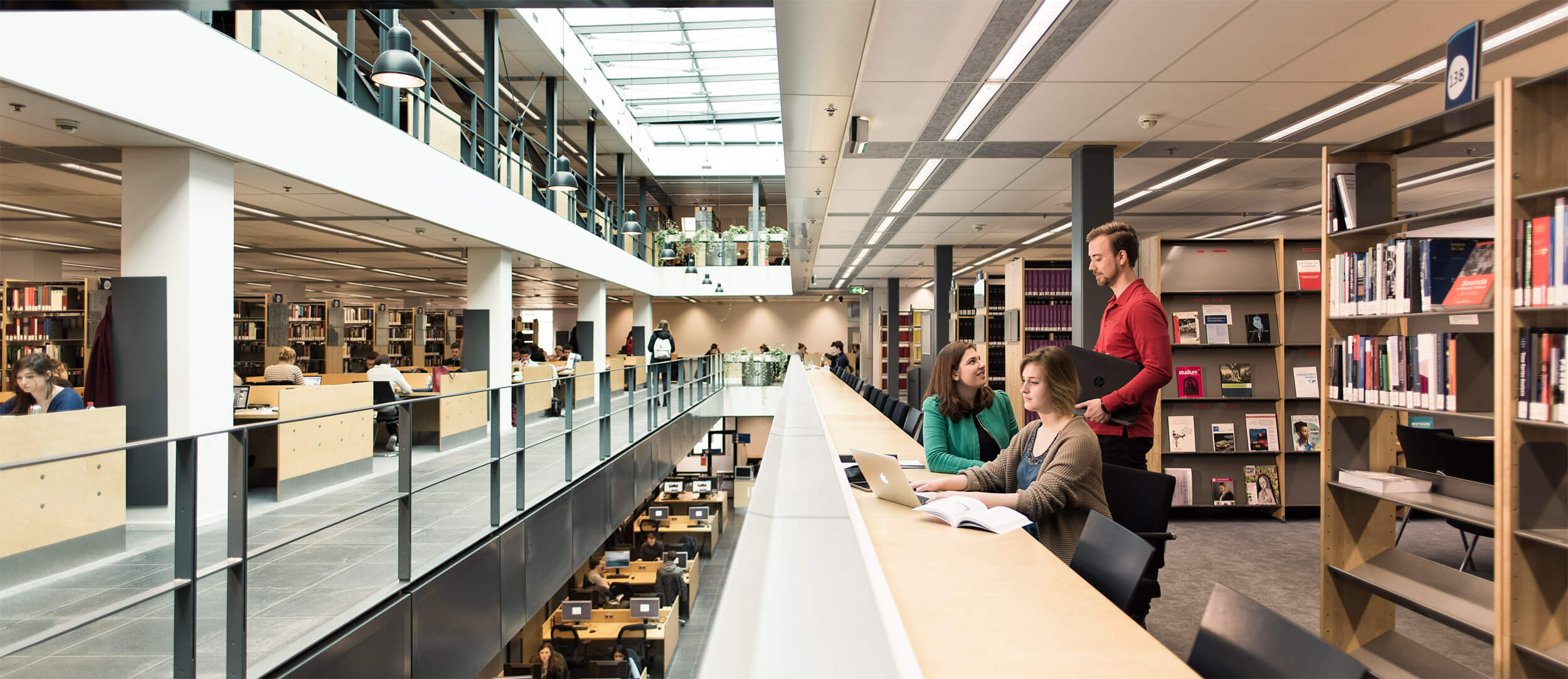
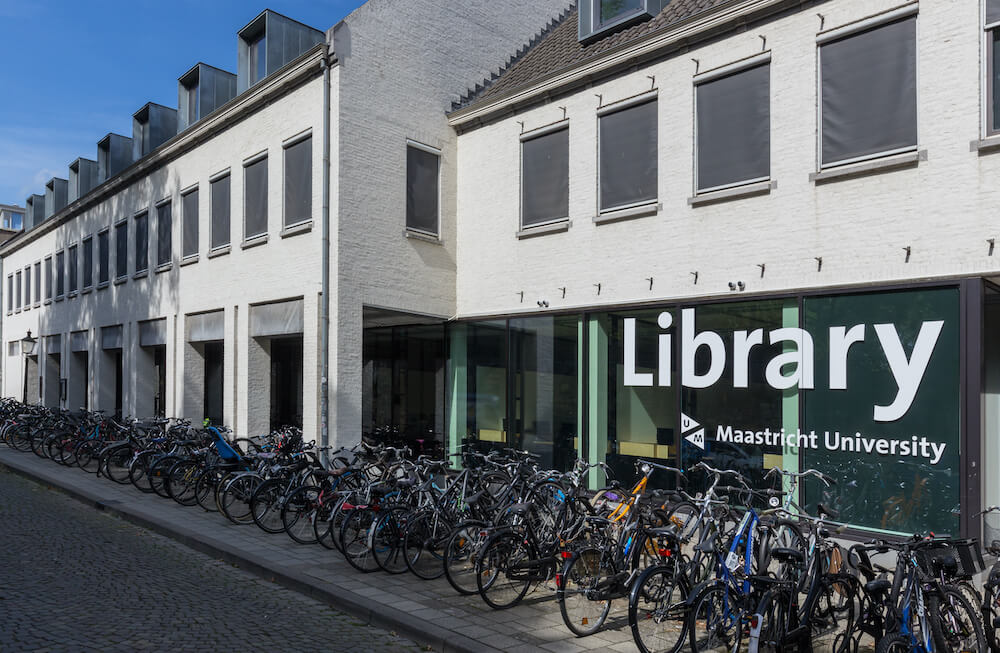
Maastricht University (UM) is a renowned public research university located in the city of Maastricht in the Netherlands. Founded in 1976, it has established itself as a leading institution in Europe for its innovative approach to education, interdisciplinary research, and international outlook. One of the distinctive features of Maastricht University is its Problem-Based Learning (PBL) system. Instead of traditional lectures, students engage in small tutorial groups, actively participating in discussions and solving real-life problems. This interactive learning method fosters critical thinking, collaboration, and independent learning skills among students. The university offers a wide range of academic programs across multiple disciplines, including arts and social sciences, law, economics and business, health, medicine, life sciences, and technology. It has several faculties, such as the Faculty of Psychology and Neuroscience, Faculty of Law, and the Faculty of Health, Medicine, and Life Sciences, among others. Maastricht University has a strong focus on internationalization and hosts a diverse community of students and staff from around the world. Many programs are taught in English, attracting a large number of international students. The university also has partnerships with numerous institutions globally, providing opportunities for student exchanges, joint research projects, and international collaboration. Research at Maastricht University is highly regarded and encompasses a wide range of fields, including sustainability, health, data science, and governance. The university's researchers are actively involved in addressing societal challenges and contributing to scientific advancements. With its vibrant campus located in the historic city of Maastricht, the university offers a stimulating academic environment and a rich cultural experience. Students have access to modern facilities, libraries, and a variety of extracurricular activities, clubs, and organizations.

Show less
Show more

🏠 Accommodation

You will need to book the accommodation after you have been accepted.

You can choose to live on campus or off campus in private accommodation.

How to book:

  • Make a booking online after you have been accepted (in this case please let us know your choice when you apply).
  • Register when you arrive - its not possible to reserve a room before arriving. You can arrive a few days before and book it
Show less
Show more

💰 Fees

Application Fee:

812 RMB

Tuition fee:

20,714 EUR per year

41,428 EUR in total

Entry Requirements

You are not eligible to apply to this program because:

The minimum age is 18.

English fluency is required.
You need to be either:
- A native English speaker
- Studied a degree in English before
- Can demonstrate a high level of English
- Having an English certificate such as IELTS level 6 or TOEFL 95 and above is an advantage.

Minimum education level: Bachelor's.

The program is competitive, you need to have a high grades of Average A, 70%, or a high GPA.

All students from all countries are eligible to apply to this program.

Is this not correct? You can edit your profile or contact us.
Or see the list of programs you are eligible for here .
Check Your Eligibility Show Suitable Programs

📬 Admissions Process

3 Steps to Apply to a University

Application step 1

Application step 2

Application step 3

Please choose the programs here , "You are advised to select 2-3 programs to increase your chances of getting accepted.

Required Documents:

  • Passport
  • Graduation certificate
  • Passport size photo
  • Official transcript
  • Personal statement
  • English certificate (You can take the English test online)
  • Guarantor letter
  • 2 Recommendation letters

Preparing documents:

You can start your application now and send the application documents during your application. Some documents you can send later if you don’t have them right away. Some more info about preparing application documents is here

Show more

Application process:

Applying Online is simple in just a few steps. More information is available here.

The first steps are to choose the programs, pay the application fee and upload the application documents.

Once submitted to Global Admissions, we will review your application within 2-3 days and proceed to the university or ask you for further clarification

After it has been processed to the university you will receive your unique application ID from each university.

The university may contact you directly for further questions.

We will then follow up each week with the university for updates. As soon as there is any update we will let you know. If you have made other plans, decide to withdraw / change address at any time please let us know.

After you have been accepted you will receive your admissions letter electronically and asked to pay the non-refundable deposit to the university.

Once you have paid the deposit the university will issue you the admissions letter and visa form to your home country.

Show less
Here is some more information about the enrollment process after you have been accepted.

❓ Have a Question?

There are no similar questions. Please send us your question below

    📝 Maastricht University Reviews

    (No Reviews)
    Write a review

    📍 Location

    🛏️ Accommodation

    🍜 Food

    🏓 Facilities

    💲 Value for money

    👨‍🏫 Classes

    🕺 Student experience

    🗣️ Recommend a friend?