

📚About the Program
The course offers a unique opportunity to study peace and conflict in a vibrant society emerging from a violent past.

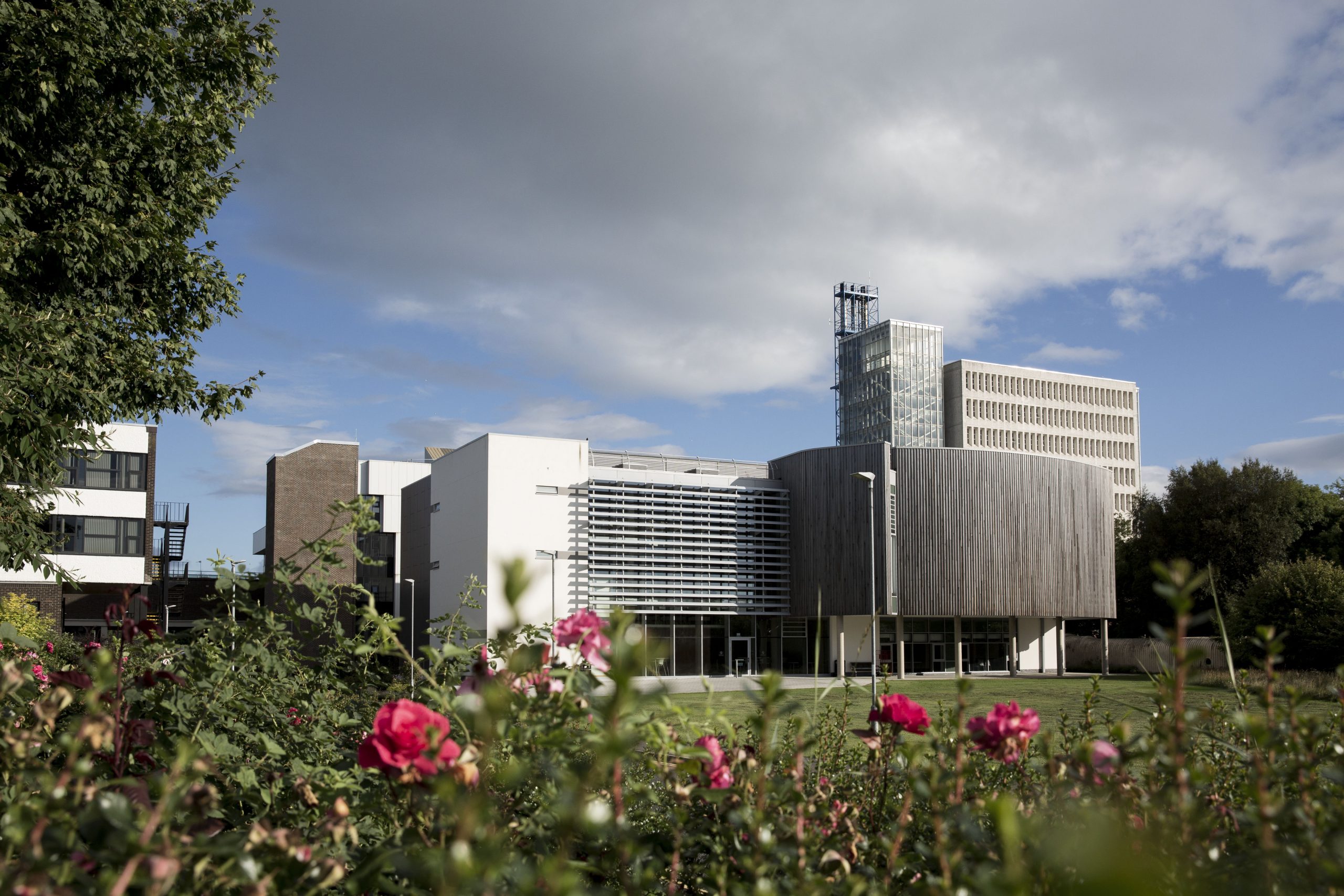
Ulster University
The Master’s in Peace and Conflict Studies at Ulster University is a 2 years long program for international students, taught in English.
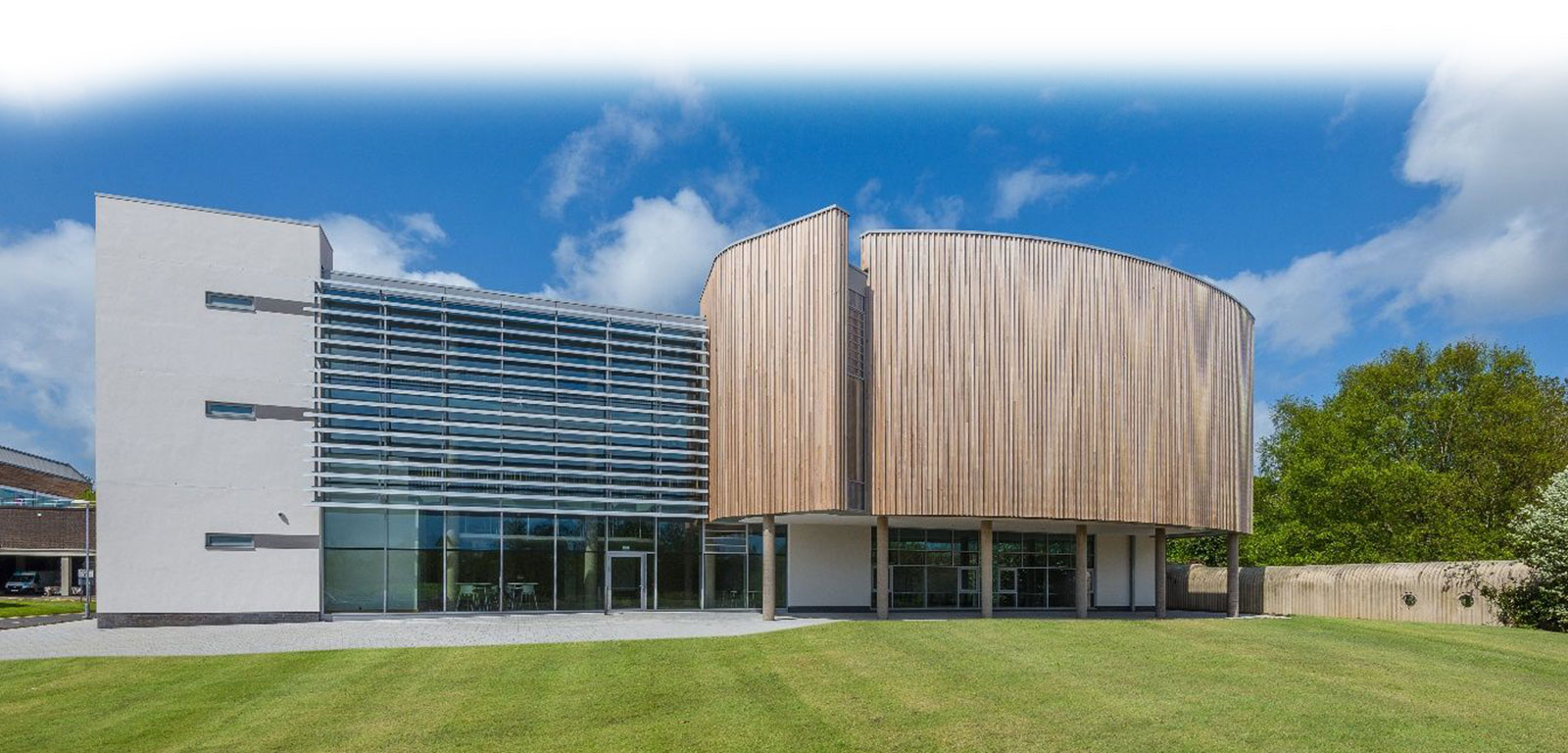
Ulster University
The Master’s in Peace and Conflict Studies at Ulster University is a 2 years long program for international students, taught in English.
Year one
Foundations of Peace and Conflict Studies
Year: 1
This module will provide an advanced introduction to key concepts, ideas and debates in this field of study of peace and conflict studies. The student will develop the analytical and theoretical skills to understand the origins of conflict and war, approaches to peace and the different theoretical traditions that underpin the field. The module will develop reflective skills so students can position their own thinking within the continuum of understandings of peace and conflict so are able to apply knowledge to understand contemporary conflicts and peace interventions.
Peacebuilding: Concepts and Approaches
Year: 1
The purpose of this module is to provide students with a thorough grounding of the academic field of peacebuilding and the different approaches and interventions employed within it. Drawing on a range of international examples, the student will gain an understanding of the various definitions and theoretical understandings of peacebuilding and will develop a broad understanding of the various structural, economic, social and psychological impacts which require attention following violent conflict.
Year two
Conflict Analysis
Year: 2
Students will be introduced to contemporary debates and approaches to conflict analysis and intervention. The module will be use both theoretical and applied methodologies to apply this knowledge to real-world cases, as well as in-depth analysis of case studies.
Foundations of Social Science Research
Year: 2
This module will introduce students to some of the key concepts, ideas and debates in social science research. The module will also introduce students to the main stages in the research process, the main approaches and methods and will give students a firm foundation in the basics of social research that will prepare them for other research methods modules.
MSc Dissertation
Year: 2
This module enables students to develop and apply research skills in a 15,000 word dissertation, that rigorously explores, critically analyses, and systematically addresses a research question or issue in the interdisciplinary field of peace and conflict studies.
Social Action for Peace and Justice: A Community Development Approach
Year: 2
This module is optional
This module is designed as an integrated social sciences paradigm infused with a co-production theme.
The content is fashioned to raise the awareness of students to injustices oppression and discrimination that are embedded in personal, cultural and structural frames of reference. They will be challenged to explore how to tackle these issues using a community development approach that leads to sustainable social action.
The module is primarily focused on emancipatory praxis to promote critical dialogue and social action using a community development lens.
Memory, Identity and Dealing with the Past
Year: 2
This module is optional
This module will provide the development of the analytical and theoretical skills to understand the importance of memory in constituting identities and how it can be used constructively to transform conflicts at individual, group and political levels.
Survey and Quantitative Methods
Year: 2
This module is optional
This module provides students with a thorough knowledge of survey research and quantitative analysis. It takes students from an introduction to the principles and practice of elementary techniques through to use of advanced quantitative methods. Topics covered include survey methods and sampling as well as univariate, bivariate and multivariate techniques. Practical applications are used to give the student experience of data handling, analysis, inference and results presentation.
Qualitative Research Methods
Year: 2
This module is optional
The module will introduce students to essential features of qualitative research through: conceptualizing research, constructing appropriate and effective data collection instruments, accessing archived data, interpreting and presenting research findings. Throughout, the module explores issues of ethics, access and accountability; and issues of application and limitation of different qualitative approaches in different exampled research contexts. This module is designed to introduce participants to approaches to research with groups who are most impacted by social inequality and to understand the ethical issues that apply to research with 'vulnerable groups', a term that is used here in the sense in which it is used by ethics approval committees. By the end of the module, students are expected to be conversant with qualitative research perspectives and methods, skilled in the techniques of qualitative research design and data collection, and competent in both manual and computer-aided qualitative data analysis (Nvivo), and will be required to demonstrate their newly acquired competencies through coursework.
Show lessYou will need to book the accommodation after you have been accepted.
You can choose to live on campus or off campus in private accommodation.
How to book:
Application Fee:
237 RMB
Tuition fee:
17,730 GBP per year
35,460 GBP in total
The minimum age is 18.
English fluency is required.
You need to be either:
- A native English speaker
- Studied in English at high school or a degree
- Have passed IELTS level 6.5 or TOEFL 95 or above.
Minimum education level: Bachelor's.
The program is competitive, you need to have a high grades of Average A, 70%, or a high GPA.
All students from all countries are eligible to apply to this program.
Please choose the programs here , "You are advised to select 2-3 programs to increase your chances of getting accepted.
Required Documents:
Preparing documents:
You can start your application now and send the application documents during your application. Some documents you can send later if you don’t have them right away. Some more info about preparing application documents is here
Application process:
Applying Online is simple in just a few steps. More information is available here.
The first steps are to choose the programs, pay the application fee and upload the application documents.
Once submitted to Global Admissions, we will review your application within 2-3 days and proceed to the university or ask you for further clarification
After it has been processed to the university you will receive your unique application ID from each university.
The university may contact you directly for further questions.
We will then follow up each week with the university for updates. As soon as there is any update we will let you know. If you have made other plans, decide to withdraw / change address at any time please let us know.
After you have been accepted you will receive your admissions letter electronically and asked to pay the non-refundable deposit to the university.
Once you have paid the deposit the university will issue you the admissions letter and visa form to your home country.
Show lessThere are no similar questions. Please send us your question below
Join 180,000+ international students and get monthly updates
Receive Admissions, Scholarships & Deadlines Updates from Universities.
Unsubscribe anytime.