The Master's degree program in Oceanography at Dalhousie University provides advanced education and research opportunities in the field of ocean sciences. Here is a generalized example of a potential curriculum for the Master's program in Oceanography at Dalhousie University:
Core Courses:
Introduction to Oceanography
Physical Oceanography
Chemical Oceanography
Biological Oceanography
Geological Oceanography
Marine Ecosystems
Oceanographic Data Analysis
Specialization Courses:
Elective Courses (related to specific areas within Oceanography)
Research Thesis:
Independent Research Thesis
The core courses cover essential topics in oceanography, including physical, chemical, biological, and geological aspects of the ocean. These courses provide students with a comprehensive understanding of ocean processes, ecosystems, and the interactions between different components of the marine environment.
Students also have the opportunity to specialize in specific areas within oceanography through elective courses. These courses can be chosen based on the student's research interests and career goals and may cover topics such as marine geology, coastal processes, marine pollution, ocean climate change, or marine biogeochemistry.
As part of the program, students are required to complete an independent research thesis. This research thesis allows students to conduct original research under the supervision of faculty members. Students have the opportunity to contribute to the advancement of knowledge in their chosen area of focus within oceanography.
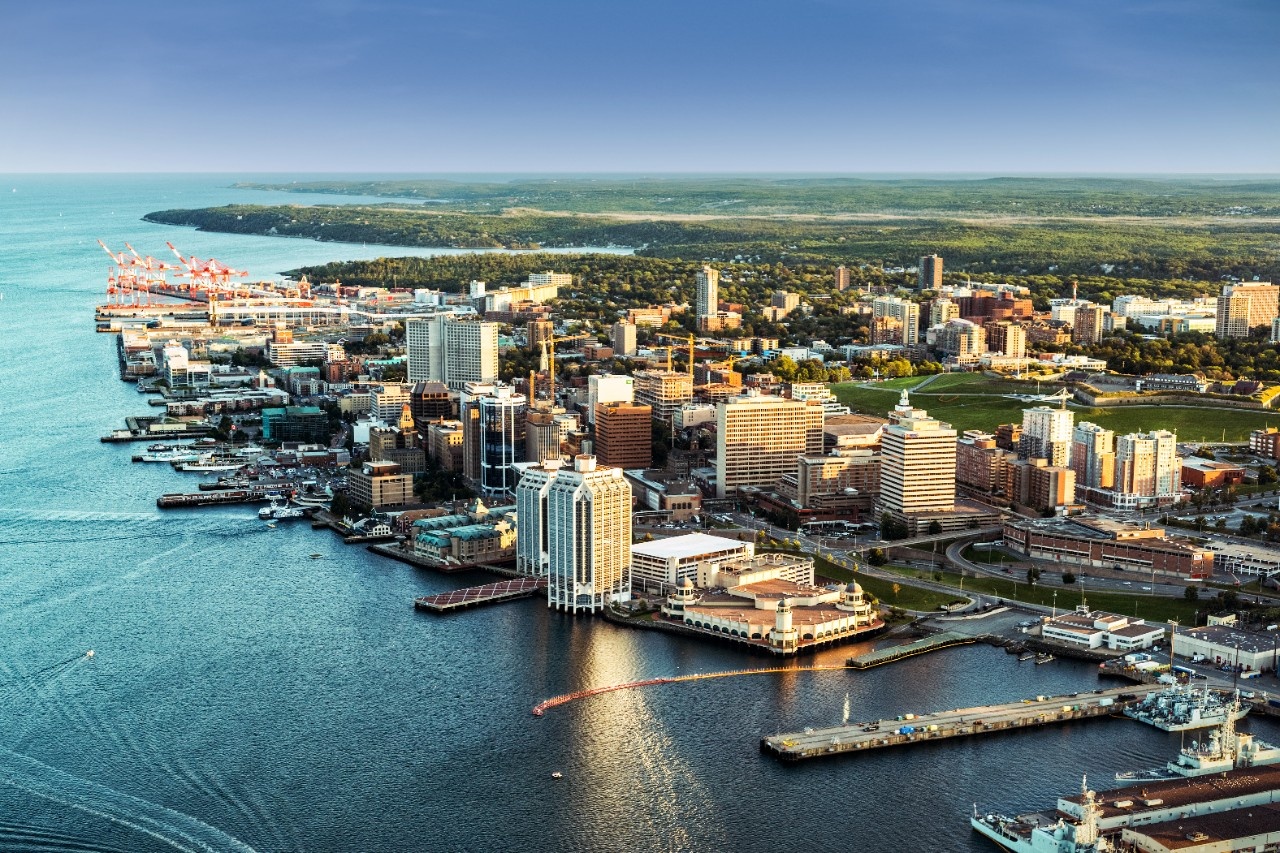
Fieldwork and laboratory work are integral components of the program, providing students with hands-on experience in data collection, analysis, and interpretation. Dalhousie University's location on the Atlantic coast of Canada offers unique opportunities for field research and access to various marine environments.
Show less