📖Introduction

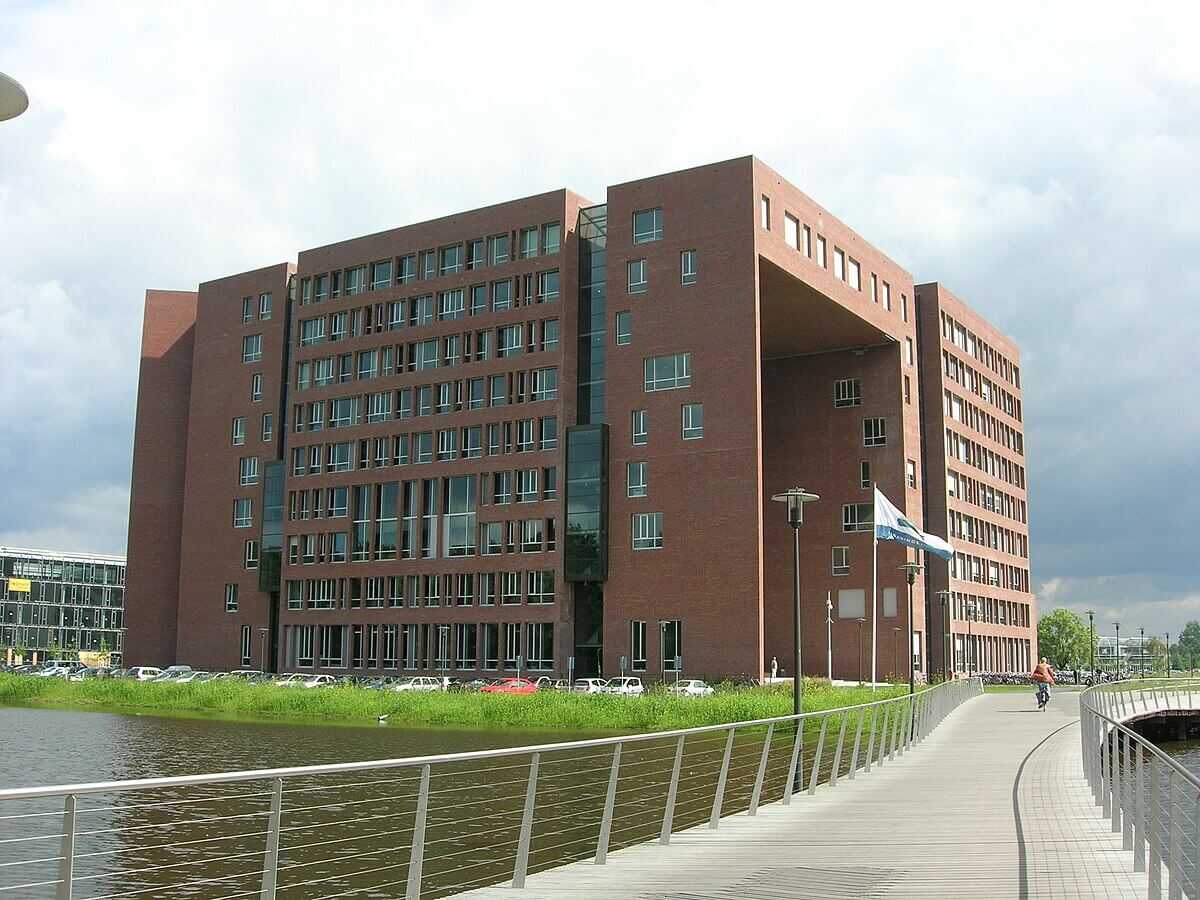
Wageningen University and Research is a public research university located in Wageningen, Netherlands. It was founded in 1918 and is one of the leading agricultural universities in the world. The university offers undergraduate and graduate programs in fields such as agriculture, food sciences, and environmental sciences. Wageningen University and Research is known for its research in areas such as food security, sustainable agriculture, and biodiversity, and has close partnerships with industry and government organizations.

Show less
Show more

📚About the Program

The question is no longer if our climate will change, but how it will change and how we will adapt to these changes. As challenges crystallise, the demand for scientists able to understand and investigate them rises. The MSc Climate Studies programme focuses on an improved understanding of climate change across the earth and its impact on ecosystems and society. It does not only cover the most important geophysical and biogeochemical processes involved in climate change (the mechanisms), but it also covers the socio-economic aspects of causes and effects, as well as adaptation and mitigation as the main categories of societal response. It combines and integrates the knowledge and expertise from three domains: Earth Sciences, Life Sciences, and Social Sciences. Show less
Show more

📖Program Curriculum

The MSc programme Climate Studies runs annually beginning from September. It comprises 120 ECTS credits and runs for two academic years. The first year consists of coursework (60 ECTS), the second year consists of the academic internship (24 ECTS) and your thesis (36 ECTS) as the core components of the master’s degree curriculum. Each of these elements is described in more detail below.

Academic year
Wageningen University has six teaching periods per year. Usually you follow one or two courses per period, depending the length of the period. Learn more about the academic year of Wageningen University.
Course selection
As a student you will gain a broad overview of climate change related issues by following compulsory courses, a selection of restricted optional courses and courses that you may choose freely (electives). Some of the compulsory and restricted optional subjects are specific for this programme and others are part of the specialisation of your choice. The electives can be taken from any other relevant MSc programme offered by Wageningen University or by another academic institution. This means that you can adjust your personal programme to your own wishes, and either choose a further specialisation or a broadening of your programme. Your study adviser and thesis supervisor will assist you in this process.

The common part
In the table below you will find the compulsory and restricted optional courses which belong to the common part of the MSc programme Climate Studies.

Subject Code
Compulsory
Climate Change Studies Topics and Approaches WSG20306
Internship (24 ECTS; to be selected from the 11 chairs)
Two e-learning Safety Instructions are compulsory in order to work safely at Wageningen University and in the field (0 ECTS):
General Safety ZSS06000
Fieldwork Safety ZSS06200
Restricted optional: select one out of these two options *
Principles of Climate Change Economics and Policy ENR22806
Principles of Earth and Ecosystem Science SOC23306
Restricted optional: select one *
Academic Consultancy Training and Modular Skills Training (MOS) ** YMC60809
Design of Climate Change Mitigation and Adaptation Strategies WSG60812
Int. Environmental Policy Consultancy *** ENP60312
Restricted optional: These data science courses are optional and can support you in preparation of your thesis:
Data Science Concepts INF34306
Data Science for Smart Environments GRS35306
This course overview is based on the Wageningen University study handbook, where you can find a more detailed course and programme description. The study handbook is guiding in case of any discrepancy.

*The restricted optional subjects have to be selected in consultation and agreement with the study adviser.

**To get the list of the skills courses, select “courses” in the green menu bar of the study handbook. On the left side (gey area) click “Modular Skills Training Course (MOS)” and check the box “Yes, this is a Modular Skills Training course”.

***Only if you are admitted to the thesis track Sustainable Development Diplomacy you are allowed (and should) take this course.

Specialisations and thesis tracks
Within the MSc programme Climate Studies, you can choose from five specialisations, and within each specialisation different thesis tracks have been identified. Each specialisation has its own coursework curriculum. The curriculum can also differ between students depending on their preparatory training. These courses primarily serve to prepare you for your thesis research. Go to specialisations.

Free choice
In the programme there is also room for electives which you may use to broaden your scope or to deepen your knowledge on a topic within your specialisation. Have a look at the study handbook and you will get an impression on the courses offered at Wageningen University.

Career-oriented tracks
In addition to the wide choice of scientific disciplines, you can choose to include one of the following career-oriented tracks or minors in your programme:

Entrepreneurship
Sustainable Development Diplomacy (only thesis track Environmental Policy)
Research
Go to Career preparation

Thesis
The thesis (individual research) is part of your thesis track and consists of 24 weeks of research and reporting (36 ECTS). Required courses to prepare for the thesis are mentioned in the course catalogue. The research is conducted under supervision of a staff member of one of the chair groups related to this MSc programme. Cooperative work with other chair groups is also possible. Students decide in consultation with the thesis supervisor about the topic of their research. The topic should be linked to the Climate Studies programme. Experimental thesis research requiring specialised equipment will usually be part of on-going research programmes of Wageningen UR departments or research institutes. The research is concluded with a written thesis, which is graded by the supervisor together with another, independent staff member. The student also presents his/her results during a seminar ("colloquium").
Internship
The compulsory internship consists of 24 ECTS credits of project work in an institution outside of Wageningen University. The internship may either be undertaken abroad or in the Netherlands. The purpose of the internship is to provide students with a unique learning opportunity to apply learned skills and concepts to a professional setting. The experience gained from the internship also serves to help students focusing on their area of interest, as well as building confidence and maturity in their field. You can select an internship from one out of the eleven tracks of Climate Studies.

Internship positions
Whilst securing an internship is primarily a responsibility of the student, the internship coordinator will provide substantial assistance in finding a suitable position, ensuring that the work experience is relevant to the student's study programme. To receive credits for an internship, students must receive a satisfactory evaluation from both their internship (host) supervisor and supervisor within the MSc Climate Studies programme.

Internship replacement
Students with (supervised) work experience on an academic level may exchange the internship for a research practice with another chair group than the one where the thesis is done. Approval by the study adviser is required.

Show less

Show more

🏫About Wageningen University and Research

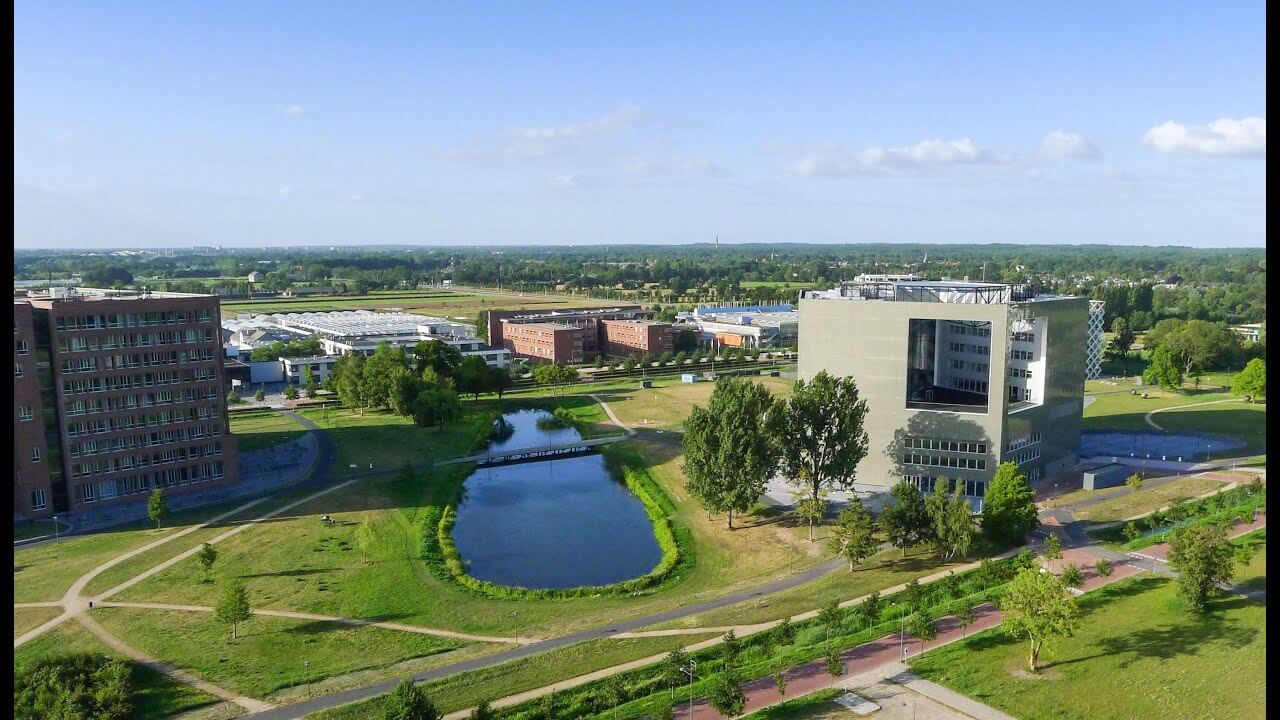
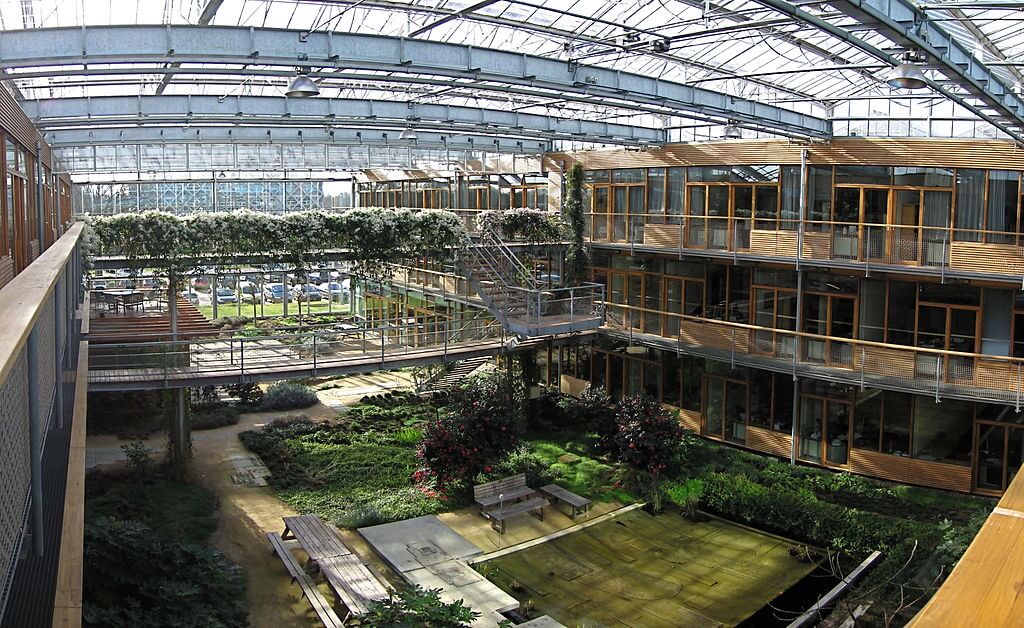
Wageningen University & Research (WUR) is a Dutch public university and research center located in Wageningen, Netherlands. It specializes in the field of agricultural, environmental, and life sciences, offering undergraduate and graduate programs, as well as conducting research in these areas. WUR has a strong reputation for its research, with a focus on sustainable agriculture, food production, and environmental protection. Its research is highly interdisciplinary, bringing together experts from different fields to work on complex problems related to global food security, climate change, and biodiversity. The university offers a range of undergraduate and graduate programs, including Bachelor's and Master's degrees in subjects such as agriculture, biology, environmental sciences, food sciences, and international development. Many of its programs are taught in English, making it a popular destination for international students. In addition to its academic programs, WUR also conducts research for governments, businesses, and other organizations. Its research is focused on developing innovative solutions to address global challenges related to food production, climate change, and environmental protection. WUR has a modern campus with state-of-the-art facilities, including research labs, greenhouses, and experimental farms. The campus is home to a vibrant and diverse community of students and researchers from all over the world, creating a stimulating environment for learning and research.

Show less
Show more

🏠 Accommodation

You will need to book the accommodation after you have been accepted.

You can choose to live on campus or off campus in private accommodation.

How to book:

  • Make a booking online after you have been accepted (in this case please let us know your choice when you apply).
  • Register when you arrive - its not possible to reserve a room before arriving. You can arrive a few days before and book it
Show less
Show more

💰 Fees

Application Fee:

$0 USD

Tuition fee:

19,700 EUR per year

39,400 EUR in total

Insurance is 1,470 EUR.

Entry Requirements

You are not eligible to apply to this program because:

The minimum age is 18.

English fluency is required.
You need to be either:
- A native English speaker
- Studied in English at high school or a degree
- Have passed IELTS level 6.5 or TOEFL 95 or above.

Minimum education level: Bachelor's.

The program is competitive, you need to have a high grades of Average A, 70%, or a high GPA.

All students from all countries are eligible to apply to this program.

Is this not correct? You can edit your profile or contact us.
Or see the list of programs you are eligible for here .
Check Your Eligibility Show Suitable Programs

📬 Admissions Process

3 Steps to Apply to a University

Application step 1

Application step 2

Application step 3

Please choose the programs here , "You are advised to select 2-3 programs to increase your chances of getting accepted.

Required Documents:

  • Passport
  • Graduation certificate
  • Passport size photo
  • Official transcript
  • Personal statement
  • English certificate (You can take the English test online)
  • Guarantor letter
  • 2 Recommendation letters

Preparing documents:

You can start your application now and send the application documents during your application. Some documents you can send later if you don’t have them right away. Some more info about preparing application documents is here

Show more

Application process:

Applying Online is simple in just a few steps. More information is available here.

The first steps are to choose the programs, pay the application fee and upload the application documents.

Once submitted to Global Admissions, we will review your application within 2-3 days and proceed to the university or ask you for further clarification

After it has been processed to the university you will receive your unique application ID from each university.

The university may contact you directly for further questions.

We will then follow up each week with the university for updates. As soon as there is any update we will let you know. If you have made other plans, decide to withdraw / change address at any time please let us know.

After you have been accepted you will receive your admissions letter electronically and asked to pay the non-refundable deposit to the university.

Once you have paid the deposit the university will issue you the admissions letter and visa form to your home country.

Show less
Here is some more information about the enrollment process after you have been accepted.

❓ Have a Question?

There are no similar questions. Please send us your question below

    📝 Wageningen University and Research Reviews

    (No Reviews)
    Write a review

    📍 Location

    🛏️ Accommodation

    🍜 Food

    🏓 Facilities

    💲 Value for money

    👨‍🏫 Classes

    🕺 Student experience

    🗣️ Recommend a friend?