📖Introduction

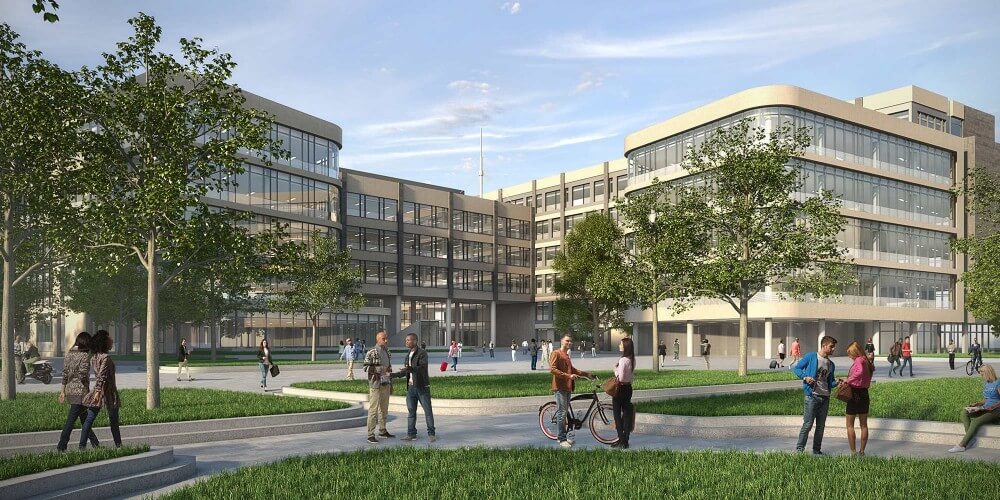
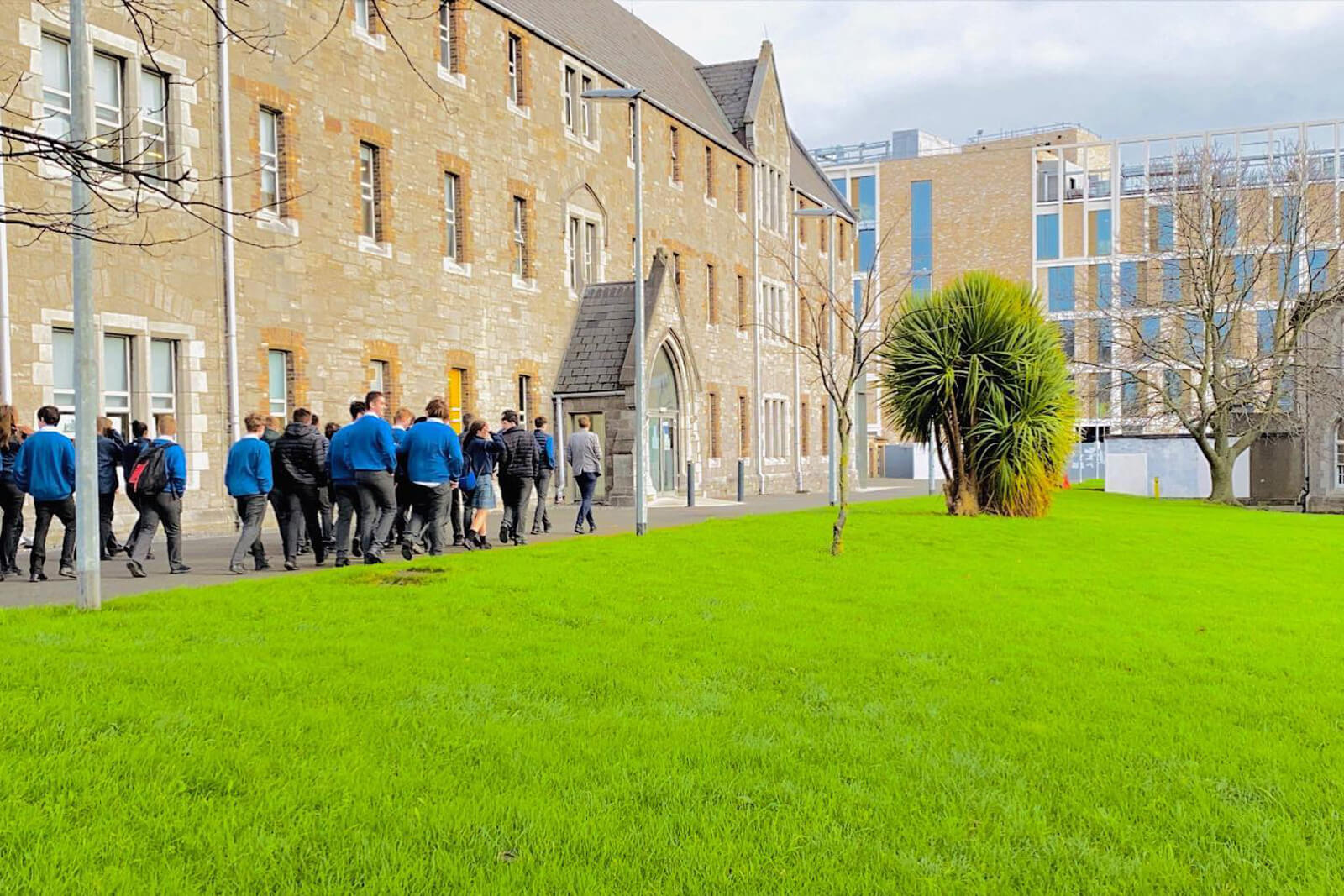
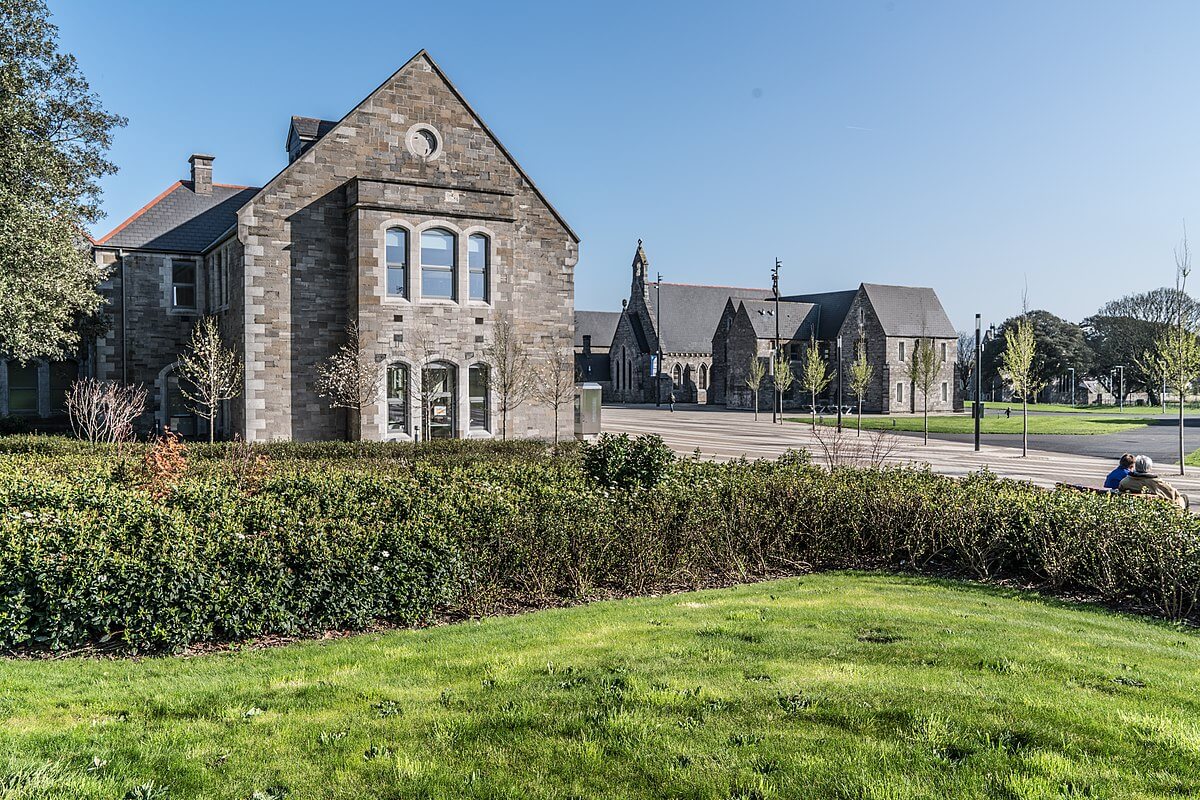
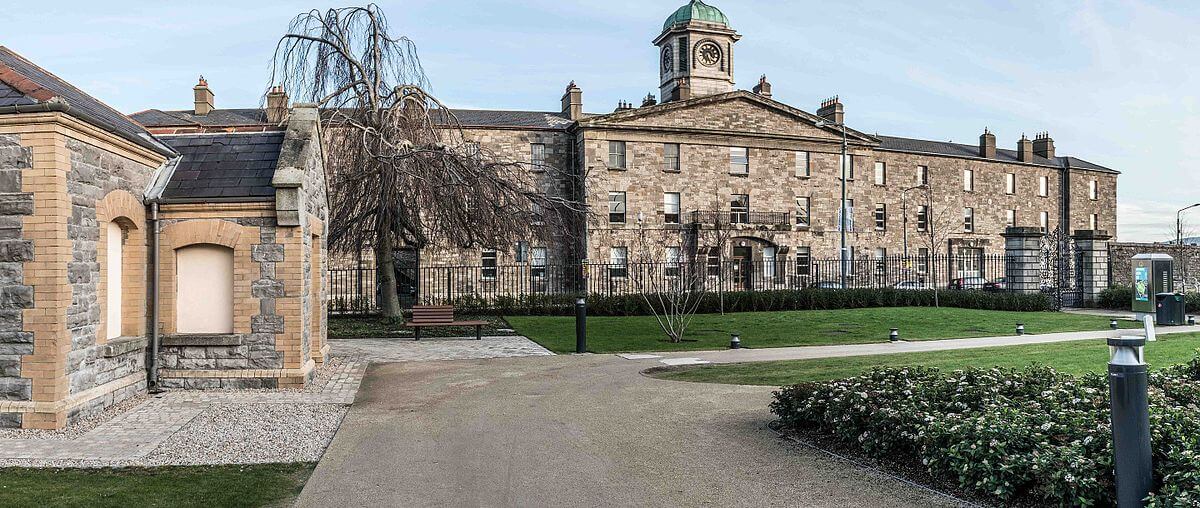
Technological University Dublin (TU Dublin) is Ireland's largest and most comprehensive higher education institution. Formed by the merger of three renowned institutes of technology, TU Dublin offers a wide range of programs in various disciplines including engineering, science, business, arts, humanities, and more. With a strong focus on innovation and industry collaboration, TU Dublin provides students with a vibrant and supportive learning environment. The university prides itself on delivering education that is practice-based, industry-relevant, and globally connected, ensuring that graduates are well-prepared for the challenges and opportunities of the modern world.

Show less
Show more

📚About the Program

The Professional Diploma in Architectural Practice (PDAP) is a 30 Credit postgraduate qualification, which is recognised by the Royal Institute of Architects of Ireland (RIAI). The course is accredited by the RIAI for the purposes of registration. Successful candidates, who also have the requisite undergraduate qualification, will be permitted to join the Statutory Register of Architects with the RIAI to practice as an Architect in Ireland. Under the terms of the Building Control Act 2007 and the underlying European Legislation, EU Directive 2005/36/EC, the passing of the RIAI recognised qualification allows for the establishment as an architect (subject to statutory provisions) in a member state of the European Union. The course aims to equip each student with the Knowledge, Ability and Judgement needed by an architect to perform his or her professional duties and to understand how an office organisation is managed for this purpose. The examination is measured against the scope and professional requirements of the RIAI and current practice, its requirements as well as its anticipated future developments. The purpose of the examination is to ensure that those who practice architecture have achieved a threshold of competence - in terms of awareness, knowledge, understanding and ability that is consistent, relevant, and will safeguard clients, building users and society at large. The assessment (which is continuous through the course) tests the students against the relevant RIAI professional competencies. Learning outcomes: On successful completion of the PDAP programme the student will be able to: Describe contemporary issues relevant to the practice of architecture in Ireland Recognise the requirement to act ethically within the RIAI Code of Conduct Evaluate personal performance against good practice Explain the importance of collaborative practice in the field of architecture. Demonstrate a critical awareness of the global, societal and legislative context of sustainable design. Describe the general principles of management Outline the specific issues arising from architectural practice Describe his/her obligations and responsibilities to employers, clients, other professionals and to a society at large Integrate the principles of project management Examine the principles of team management Debate the general legal context & explain how aspects of it impact on the management of architecture. Evaluate the effects of Planning & Development & Heritage legislation on the realization of architecture. Predict the effects of Safety Health & Welfare legislation on the realisation of architecture. Appraise the effects of Building Control legislation on the realization of architecture. Outline the legislative context of fire safety design and certification. Characterise the societal and legislative context of inclusive design. Conclude the duties and obligations placed upon the architect when appointed as contract administrator Differentiate approaches to cost planning with and without the input of a quantity surveyor Examine roles, responsibilities and relationships of sub-consultants during the Pre-Tender Design Process and the Post Tender Project process. Evaluate the selection process for main contractor(s) and sub-contractors. Assess a resource plan and information issue programme addressing pre-tender procurement activities Reflect on and critically evaluate the management of a real-life project Reflect on and critically evaluate the management of real-life practice Appraise the key methods by which the government controls and regulates the construction industry, including current consumer protection issues and related legislation. Judge the legislative and economic controls of development including fiscal measures, planning legislation, environmental law, building regulation, health and safety regulation, and identify associated codes of practice and sources of technical information Predict how the legislative and economic control of the built environment and the construction industry affects development and the procurement of projects in Ireland Appraise sources of information available to architects in Ireland Plan and negotiate future appropriate professional experience accordingly Show less
Show more

📖Program Curriculum

The classroom element is delivered through a series of six professional components, which are four weeks in duration:

ARCH 6101 – Professionalism (fee bidding and office management),
ARCH 6101 – Planning.
ARCH 6102 – Building Control,
ARCH 6102 – Construction Procurement.
ARCH 6103 – Design Management,
ARCH 6103 – Construction Management.
Case Study Module Semester 1 and 2
The Case Study Module runs in parallel to the taught classroom components (it may also be taken with a one or two semester break). It is to a large degree undertaken through self-directed study. There will however be six individual tutorials arranged with the Programme Chair, which will provide feedback and support for both the Case Study and the Janus Report. There will in addition be a mock interview, held after the final submission and before the final viva. Students will be required to submit a case study, career evaluation (Janus) report and sit an oral examination at the end of the semester.

This element is delivered through one 15 credit module, which is:

ARCH 6201 - Case Study and Career Evaluation

Show less
Show more

🏫About Technological University Dublin

Technological University Dublin (TU Dublin) is Ireland's largest and most comprehensive higher education institution, offering a wide range of programs in disciplines such as engineering, science, business, arts, and more. With a focus on practical and industry-oriented education, TU Dublin prepares students for successful careers through innovative teaching methods, state-of-the-art facilities, and strong industry partnerships. Students benefit from a supportive learning environment and opportunities to engage in research and entrepreneurship.

🏠 Accommodation

You will need to book the accommodation after you have been accepted.

You can choose to live on campus or off campus in private accommodation.

How to book:

  • Make a booking online after you have been accepted (in this case please let us know your choice when you apply).
  • Register when you arrive - its not possible to reserve a room before arriving. You can arrive a few days before and book it
Show less
Show more

💰 Fees

Application Fee:

400 RMB

Tuition fee:

13,500 EUR per year

13,500 EUR in total

Entry Requirements

You are not eligible to apply to this program because:

The minimum age is 18.

English fluency is required.
You need to be either:
- A native English speaker
- Studied in English at high school or a degree
- Have passed IELTS level 6.5 or TOEFL 95 or above.

Minimum education level: Bachelor's.

The program is competitive, you need to have a high grades of Average A, 70%, or a high GPA.

All students from all countries are eligible to apply to this program.

Is this not correct? You can edit your profile or contact us.
Or see the list of programs you are eligible for here .
Check Your Eligibility Show Suitable Programs

📬 Admissions Process

3 Steps to Apply to a University

Application step 1

Application step 2

Application step 3

Please choose the programs here , "You are advised to select 2-3 programs to increase your chances of getting accepted.

Required Documents:

  • Passport
  • Graduation certificate
  • Passport size photo
  • Official transcript
  • Personal statement
  • English certificate (You can take the English test online)
  • Guarantor letter
  • 2 Recommendation letters

Preparing documents:

You can start your application now and send the application documents during your application. Some documents you can send later if you don’t have them right away. Some more info about preparing application documents is here

Show more

Application process:

Applying Online is simple in just a few steps. More information is available here.

The first steps are to choose the programs, pay the application fee and upload the application documents.

Once submitted to Global Admissions, we will review your application within 2-3 days and proceed to the university or ask you for further clarification

After it has been processed to the university you will receive your unique application ID from each university.

The university may contact you directly for further questions.

We will then follow up each week with the university for updates. As soon as there is any update we will let you know. If you have made other plans, decide to withdraw / change address at any time please let us know.

After you have been accepted you will receive your admissions letter electronically and asked to pay the non-refundable deposit to the university.

Once you have paid the deposit the university will issue you the admissions letter and visa form to your home country.

Show less
Here is some more information about the enrollment process after you have been accepted.

❓ Have a Question?

There are no similar questions. Please send us your question below

    📝 Technological University Dublin Reviews

    (No Reviews)
    Write a review

    📍 Location

    🛏️ Accommodation

    🍜 Food

    🏓 Facilities

    💲 Value for money

    👨‍🏫 Classes

    🕺 Student experience

    🗣️ Recommend a friend?