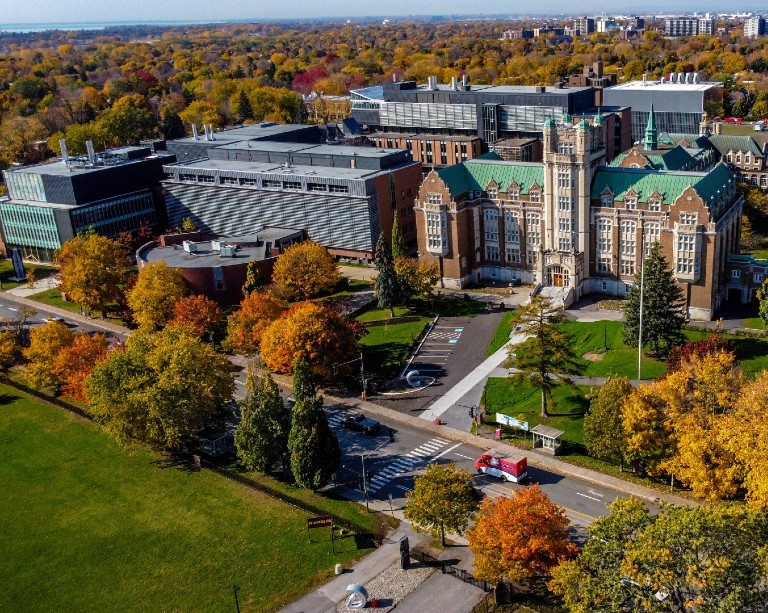
Concordia University offers a Bachelor of Arts (BA) degree program in Religions and Cultures. The program is designed to provide students with a comprehensive understanding of various religious traditions, their cultural contexts, and their impact on society. It explores the diverse beliefs, practices, rituals, and histories of different religions, as well as their intersections with broader cultural, social, and political phenomena.
Here is a general overview of what the Religions and Cultures program at Concordia University might include:
Core Courses: The program typically includes core courses that introduce students to the study of religions and cultures. These courses may cover topics such as comparative religion, religious texts and traditions, religious ethics, and the history of religions. They provide a foundational understanding of the major religious traditions and their key concepts.
Religious Traditions: Students have the opportunity to explore specific religious traditions in depth. Courses may focus on major world religions such as Christianity, Islam, Judaism, Hinduism, Buddhism, or indigenous religions. These courses delve into the beliefs, practices, rituals, scriptures, and historical development of each tradition.
Cultural Contexts: The program examines the cultural contexts in which religions emerge and evolve. Courses may explore the intersections between religions and other aspects of culture, such as art, literature, philosophy, politics, gender, and social structures. Students gain insights into how religions shape and are shaped by their cultural surroundings.
Comparative Approaches: Students engage in comparative studies that analyze similarities and differences between different religious traditions. These courses encourage critical thinking and facilitate a deeper understanding of the diversity of religious beliefs and practices around the world.
Special Topics and Electives: The program may offer special topic courses or a range of elective courses that allow students to explore specific areas of interest within religions and cultures. These courses could cover topics such as mysticism, religious pluralism, religious experience, new religious movements, or the role of religion in contemporary society.
Research and Analysis: Students develop research and analytical skills through coursework that involves the critical examination of religious texts, historical documents, scholarly articles, and cultural artifacts. They may also have the opportunity to engage in independent research projects or collaborate with faculty on research initiatives.
Fieldwork and Experiential Learning: Some programs may include fieldwork components, where students have the opportunity to visit religious sites, attend religious ceremonies, and engage with religious communities. These experiences provide firsthand exposure to religious practices and deepen students' understanding of religious traditions.
Professional and Intercultural Competencies: The program may emphasize the development of skills and competencies that are valuable in diverse professional settings. These may include intercultural communication, research and writing skills, critical thinking, and ethical reasoning.
Show less