

📖Program Curriculum
Course outline
Teaching is provided through lectures, seminars, supervisions and course trips to museums, exhibitions and notable buildings. First year students typically have up to six hours of departmental teaching each week, as well as on-site visits and a supervision linked to your weekly reading and essays.
Particular attention is paid to the first-hand study of works of art and architecture – lectures and classes are regularly held in museums, taught by curatorial staff and other visiting experts – and you receive exceptional attention and support throughout your degree.
Assessment varies according to the paper being studied but typically includes written examinations and visual analysis tests (comparing and contrasting works of art or architecture), and a dissertation in both Year 1 and Year 3.
Year 1 (Part I)
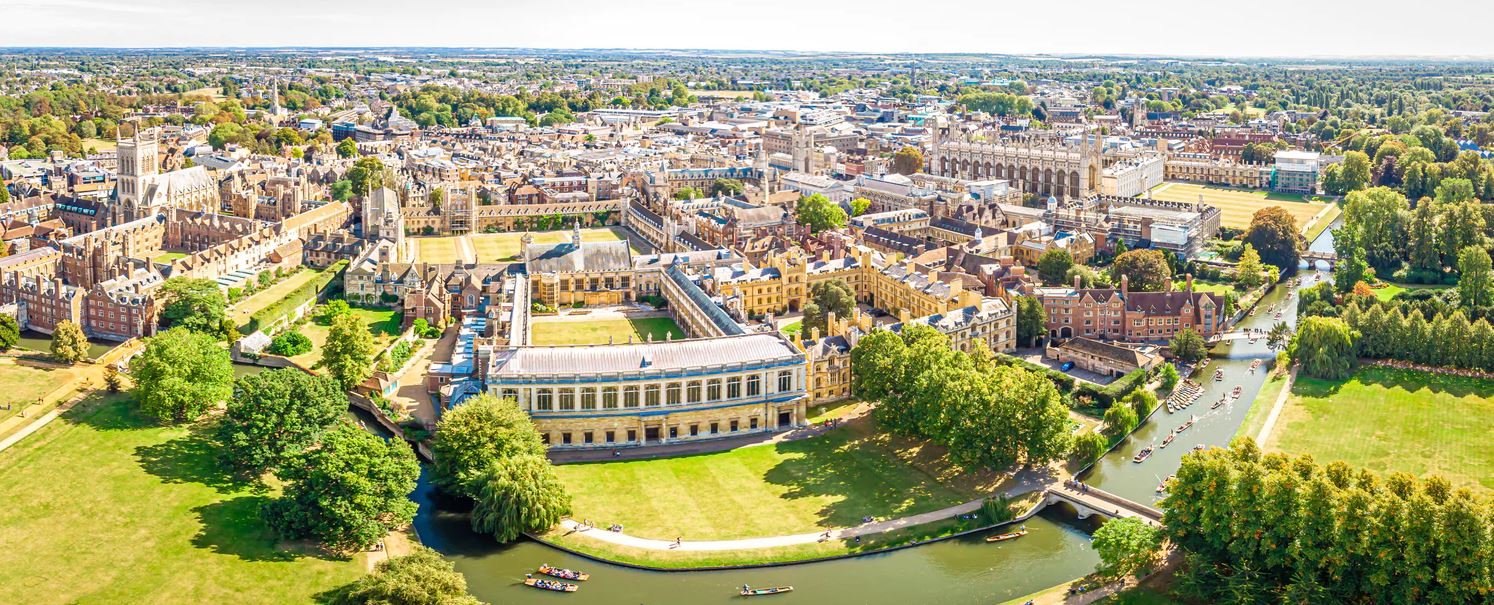
Part I provides you with a broad introduction to the history, making and meaning of art and architecture, with special emphasis on the architecture of Cambridge and the collections of the Colleges, the Fitzwilliam Museum and Kettle’s Yard. Topics run from the art of Ancient Egypt to contemporary installation art, major examples of ancient, medieval, Renaissance and modern art, as well as the arts and architecture of Asia, Africa and South America.
During the year you take a series of five compulsory papers. This includes papers on the Making and Meaning of Art and Architecture, as well as a paper on Objects. These papers address various aspects of how works of art and buildings are made, used, and play a role in society, as well as the cultural, religious and political contexts of art and architecture. You will also complete a short dissertation of 5,000 words on a work of art or architecture in or around Cambridge.
Year 2 (Part IIA)
Part II deepens your knowledge and understanding by focusing in greater depth on specific issues.
In Part IIA, you take one compulsory paper along with two pairs of papers on Special Subjects:
Approaches to the History of Art and Architecture – this compulsory paper covers the history of the discipline and its critical methodologies from antiquity to the present day
Special Subjects – chosen from a range of up to 10, these papers focus on a particular artist, subject or period. Subjects currently include Global Renaissance, Rubens, the art and architecture of Renaissance Florence, British architecture 1750-1830, art in Paris 1715-1815, art and architecture in medieval Jerusalem, Surrealism, contemporary Latin-American art, and Chinese art
Year 3 (Part IIB)
In Part IIB, you take one compulsory paper, two further pairs of Special Subjects papers and submit a dissertation:
The Display of Art – this compulsory paper explores the history and theories of display and collecting
Special Subjects – the options available are as those in Part IIA, but you take two subjects that you haven’t studied before, aiming for a spread across times and regions
the dissertation is 9,000 words on a topic of your choice, as agreed with your Director of Studies
For further information about studying History of Art at the University of Cambridge see the Department of History of Art website.